Why Your Next Trip Needs a Digital SIM
July 3, 2026Unlock Your Adventure Why an eSIM Is the Best Travel Upgrade
eSIM is the best travel companion you never knew you needed. Instead of fumbling with physical SIM cards at the airport, you simply download a digital profile onto your phone to get instant local data in over 190 countries. This means you keep your regular number for calls and texts while enjoying fast, affordable internet on the go, all without ever visiting a store. Just buy, scan, and start browsing the moment you land.
Why Your Next Trip Needs a Digital SIM
Your next trip needs a digital SIM because it kills the airport SIM card scramble and price-gouging hotel Wi-Fi. With an eSIM for travel, you activate data remotely before you even pack, landing connected instantly. No more fumbling with tiny plastic cards or swapping your primary line. Wondering if it’s worth the switch? Q: Why carry a digital SIM instead of a local one? A: Because you keep your home number active, skip physical stores, and top up from your phone mid-trip without hunting for a shop. It’s seamless, saves luggage space, and lets you jump straight to navigation or messaging friends the moment you arrive.
Instant connectivity upon arrival without physical swaps
Landing in a new country used to mean fumbling with tiny SIM trays while juggling luggage. With a digital SIM, instant connectivity upon arrival is effortless. You skip the scramble for local SIM cards or the hunt for store hours. Just turn on your phone, and you’re online within seconds, ready to open maps or message family. No need to swap physical cards or risk losing your home SIM.
- Purchase and install the eSIM before you leave home.
- Once you land, simply enable the eSIM profile in your settings.
- Connect to the local network automatically—no physical swaps or queuing required.
Eliminating roaming fees and surprise charges
Eliminating roaming fees and surprise charges is the most immediate financial benefit of a digital SIM. Instead of your home carrier applying unpredictable daily rates or per-megabyte costs, you pre-purchase a data bundle at a fixed price. This prepaid model creates a hard cap on spending; once the data runs out, connectivity simply stops rather than accumulating bill shock. The process follows a logical sequence:
- You select a local or regional data plan before arrival, establishing the total cost upfront.
- The eSIM activates upon reaching your destination, ensuring no “welcome” SMS or accidental background data triggers a roaming surcharge.
- Your phone uses the eSIM profile for all data, bypassing your primary carrier’s international rate logic entirely.
This direct control over consumption makes predictable travel billing achievable without monitoring apps or post-trip disputes.
Streamlined multi-country itineraries
For trips hopping between countries, a digital SIM eliminates the hassle of swapping physical cards at each border. You can hop from Paris to Barcelona to Rome without hunting for a local shop or dealing with activation forms. Cross-border convenience means your data plan simply updates the moment you land, keeping maps, messaging, and bookings live. This seamless handoff saves time and reduces stress.
- One plan covers all countries, so no need to buy separate local SIMs.
- Connect automatically to local networks without reconfiguring your phone.
- Keep your home number active for calls while using eSIM data abroad.
Top Global Providers Worth Considering
When hunting for an eSIM for travel, a few global providers consistently deliver solid coverage without the hassle of physical SIM swaps. Airalo is a top contender for its huge selection of regional and country-specific data plans, letting you activate a plan right from its app before you even land. For heavy data users, Holafly offers unlimited data plans across many destinations, though they’re usually data-only. Ubigi is also worth a look for its reliable connections in key regions like Japan and Europe, often at competitive per-GB rates.
The real game-changer is picking a provider that lets you seamlessly keep your home number active while using a local data line via dual SIM.
Your choice really boils down to whether you prioritize unlimited data or pay-as-you-go flexibility.
Airalo’s regional vs. country-specific plans
Airalo’s regional plans are ideal for multi-country trips, offering a single eSIM that activates as you hop between borders within a zone like Europe or Asia, saving you from juggling multiple profiles. For travelers sticking to one destination, country-specific plans often provide cheaper per-gigabyte rates and larger data bundles tailored to local networks, though they require a new eSIM for each nation. Choose regional when your itinerary is fluid; pick country-specific for deeper, data-heavy stays in a single spot, ensuring you never pay for coverage you won’t use.
Holafly’s unlimited data options
Holafly’s unlimited data options provide a straightforward, high-usage solution for travelers who want to avoid per-gigabyte tracking or speed caps. These plans typically offer true uncapped high-speed data for a fixed number of days, covering major destinations across Europe, Asia, and the Americas. Activation is immediate via a QR code, and users should note that while data is unlimited, fair-use policies may temporarily reduce speeds after very excessive daily consumption in some regions. To ensure optimal performance with Holafly’s unlimited plans:
- Install the eSIM before departure to allow automatic network registration upon arrival.
- Disable data roaming for your primary SIM to prevent unexpected charges.
- Restart your device after the QR scan if the connection doesn’t activate instantly.
Orange Travel and local carrier bundles
Orange Travel’s eSIM bundles provide direct access to local carrier networks across Europe and select global destinations, eliminating the need for physical SIM swaps. Users purchase data plans via the Orange Travel app, activating connectivity on a host network partner. These bundles often include EU-wide roaming at domestic rates. Key aspects include:
- Seamless activation without registration documents
- Multiple data tiers from 1GB to 30GB
- Expiration periods from 7 to 30 days
- Exclusive access to Orange’s high-speed infrastructure in France
Comparison of price, speed, and coverage
When weighing top global eSIM providers, price, speed, and coverage form the critical triangle. Airalo often wins on budget-friendly regional plans, but its speed can lag in congested areas. Holafly offers faster LTE in Europe with identical pricing tiers, yet its global coverage lacks in remote Asia. GigSky provides premium, consistent speeds across 200+ countries but at a steeper per-GB cost. For pure value, look at Ubigi’s Japan-focus, which undercuts rivals on speed-to-price ratio, while their South American coverage remains sparse. Ultimately, your choice hinges on balancing cost-per-GB against real-world 4G/5G throughput where you travel most.
Compatible Devices: What You Need to Check
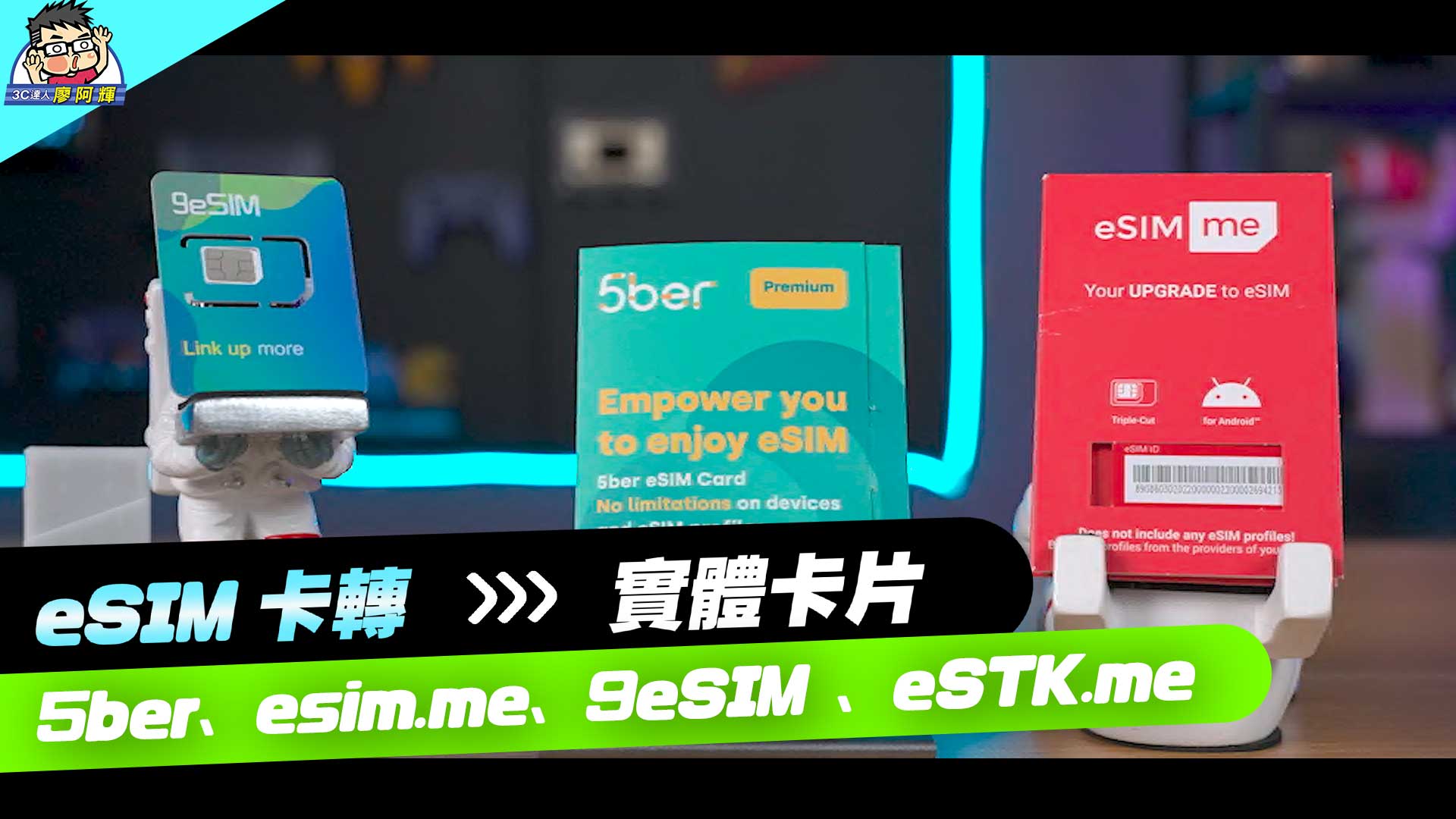
Before your next trip, you pull out your phone, but your compatible device check can make or break your eSIM for travel. I once watched a friend at the airport fumble with a locked phone, unable to scan a QR code. You need to confirm your smartphone is unlocked and supports eSIM profiles—most iPhones from the XR onward and recent Google Pixels work, but older models or region-locked carriers won’t. Check under Settings > Cellular for “Add eSIM.” If it’s missing, your device is physically incompatible, and you’ll be stuck buying a local SIM on arrival. Don’t assume based on age; verify device compatibility for eSIM before you board to avoid a data-less first day.
Phones, tablets, and laptops with eSIM support
For travel, your primary compatible devices are recent flagship phones like the iPhone 14 and later, Google Pixel 6 or newer, and Samsung Galaxy S20 series and up. Many modern iPads (Pro, Air, mini) and high-end Windows laptops (Surface Pro 9+) also include eSIM support, but never assume all tablets or laptops do. Always check your device’s network settings for “Add eSIM” before your trip, as some models like the iPad 9th gen lack it entirely. **Q: Can my old laptop use an eSIM?** A: Only if it’s a modern model with a built-in eSIM chip, which is rare outside of premium business-grade laptops. Stick to phones for the widest compatibility
Unlocked status and carrier restrictions
Before purchasing an eSIM for travel, your phone must be carrier-unlocked for global eSIM compatibility. A locked device restricts eSIM profiles to your home network, blocking foreign data plans. Check your phone’s settings: if “Carrier Lock” shows “No SIM restrictions,” you’re ready. If locked, contact your China eSIM provider to unlock it—often free after contract fulfillment. Even an unlocked phone may have regional restrictions; for example, some U.S. models limit eSIM activation outside North America. Always verify your device’s IMEI status with your intended eSIM provider to avoid mid-trip connectivity failures.
An unlocked device is mandatory for eSIM travel; carrier restrictions can block foreign profiles entirely or limit regional compatibility, so confirm lock status and regional eSIM support before departure.
Dual SIM setups for personal and travel lines
Verify your device supports a dual SIM setup using one physical SIM and one eSIM. This configuration lets you keep your home number active for calls and SMS while adding a travel eSIM for mobile data. Check that your phone allows you to assign the travel eSIM as the default data line, separate from your personal line’s voice. Do not assume both lines function identically; in many phones, only one line provides LTE/5G data at a time. **Q: Can I receive calls on my personal line while using the travel eSIM for data?** A: Yes, if your device supports DSDS (Dual SIM Dual Standby), both lines remain active simultaneously, though data is used only from the travel eSIM.
Purchasing and Activating Your Digital Profile
When traveling, purchasing and activating your digital profile for an eSIM is a straightforward, paperless process. You simply choose a travel data plan on a provider’s app or website, pay securely, and immediately receive a QR code or direct installation link. This digital profile integrates directly into your phone’s settings, requiring no physical SIM card. Activation is instant; scan the QR code before you depart or upon arrival, and your profile connects to local networks automatically.
Buying and installing your digital profile before you fly ensures you have data the moment you land, bypassing long queues and expensive roaming fees.
The entire transaction, from purchase to active connectivity, takes only minutes, putting control of your travel internet directly in your hands.
Buying before departure vs. on arrival
Buying your eSIM before departure lets you set everything up on Wi-Fi, avoiding the scramble for a connection when you land. Just scan the QR code and activate once you arrive. Buying on arrival risks data gaps if the airport Wi-Fi is slow or requires a local number. Pre-purchase also locks in a known price, whereas local shops may overcharge for spontaneity.
For stress-free travel, buy and install your eSIM before you leave home; it’s cheaper and instantly active upon landing.
QR codes and app-based installations
Activating a travel eSIM typically involves either scanning a QR code for eSIM activation or using a dedicated app. The QR code method delivers a profile directly to your device’s settings, requiring only a stable Wi-Fi connection at installation. App-based installations, conversely, often integrate profile management and top-up options within the same interface, eliminating the need to store or retrieve a physical code. App-based systems can automatically reinstall the eSIM if the device is reset, whereas a lost QR code often necessitates contacting support. A table distinguishing these approaches clarifies practical choices:
| Method | Primary Action | Key Consideration |
|---|---|---|
| QR Code | Scan code on purchase receipt | Must download before departure if no roaming access |
| App-Based | Install via provider app, auto-detect device | Often allows offline activation after initial download |
Common troubleshooting tips during setup
During setup, if your eSIM fails to activate, first confirm your device is unlocked for eSIM travel profiles. Then manually select the eSIM’s designated network from your carrier list rather than using “Automatic.” Ensure “Data Roaming” is toggled on for that specific line, and restart your phone after installation. If scanning the QR code fails, enter the activation code manually via your settings. For dual-SIM setups, designate the eSIM as primary for cellular data to avoid charges on your physical home SIM. Always run a test connection in airplane mode to isolate conflicts.
Managing Data Usage Across Destinations
With an eSIM for travel, managing data usage across destinations requires proactive attention, not guesswork. Before departure, your device lets you assign data plans per line, ensuring your primary number uses local eSIM data while your home SIM stays off. Switch between regional or global eSIMs instantly without swapping physical cards. To avoid overage, track real-time consumption through each eSIM provider’s app, and set low-data alerts on your phone. For multi-country trips, choose a regional plan that pools gigabytes across borders, eliminating separate top-ups. Disable automatic app updates and background data for non-essential services. This precise control ensures you never run out of connectivity when navigating new cities or sharing itineraries. Every megabyte stays under your command.
Tracking consumption with built-in tools
Most eSIM apps include a built-in data dashboard, so you can track consumption with built-in tools right on your phone without extra apps. This live meter shows exactly how many megabytes you’ve used versus your plan’s total, often with daily or weekly breakdowns. Instead of guessing, you just glance at the widget to see if you’re on track. Some dashboards even send an alert when you hit 80% usage, preventing surprise top-ups. Just open the app and check the simple bar chart—it keeps your travel data stress-free.
| Feature | Benefit |
|---|---|
| Live meter | Shows real-time MB used vs. total |
| Daily/weekly breakdown | Pinpoints high-usage days |
| Usage alerts | Notifies at 80% capacity |
Saving battery while roaming
When roaming with an eSIM, your device often struggles to maintain a stable connection, rapidly draining the battery. Prioritize manual network selection over automatic scanning to prevent your phone from constantly searching for towers. Further, disable LTE or 5G and switch to a slower but far more efficient 3G or 4G-only mode where coverage is weak. Finally, turn off data roaming for specific apps in your device settings. For a clear sequence:
- Manually select a single carrier network.
- Switch to a lower-band network mode (e.g., 4G/3G).
- Disable background data for non-essential apps.
Prioritizing high-speed vs. throttled basics
When managing data usage across destinations, prioritize high-speed data for navigation and communication over throttled basics. Allocate your fastest allowance to real-time apps like maps and messaging, which suffer under reduced speeds. Reserve throttled, slower data for background tasks like email syncing or app updates. This strategy prevents frustrating buffering during critical use.
- Set your device to use high-speed data only for essential travel apps.
- Switch to throttled basics for non-urgent downloads or streaming.
- Monitor per-destination speed tiers to reassign priority mid-trip.
- Disable auto-updates on high-speed connections to conserve allowance.
Hidden Advantages Beyond Standard Connectivity
Beyond mere data access, an eSIM for travel unlocks instant backup provisioning if your primary carrier fails or you land in a dead zone, letting you switch networks without hunting for a physical SIM. This agility means you can maintain redundant connections via separate profiles, ensuring critical maps or ride-share apps are never stranded. You also gain seamless local number spoofing for two-factor authentication and local app access, bypassing international roaming blocks. This strategic layering of connectivity, rather than using a single plan, turns your phone into a resilient, context-aware travel tool.
Keeping your home number active simultaneously
Keeping your home number active simultaneously on a dual-SIM eSIM setup lets you maintain two distinct lines: your physical SIM or primary eSIM for your home number and a travel eSIM for data. This is critical for two-factor authentication, as many banking and service apps require SMS verification sent to your home number. You avoid missing security codes or family calls while using a local data plan. The travel eSIM handles all internet traffic, while your home line remains available for texts and voice without roaming charges for incoming messages.
- Receive SMS-based 2FA codes for banking and email without roaming
- Family can reach you on your usual number at no extra cost to them
- Toggle data preference to the travel eSIM to prevent accidental home data usage
Using local apps without triggering extra fees
When traveling with an eSIM, you can download and use local ride-hailing, food delivery, or transit apps directly with your local data plan, avoiding the surge pricing and service fees often applied to roaming-based transactions. These apps typically detect your local IP address, granting you access to resident-only promotions and payment options that circumvent international transaction charges. By relying on your eSIM’s local number for account verification, you also bypass SMS surcharges for two-factor authentication. This avoiding roaming surcharges on local app usage ensures that every ride or meal order you book through the app incurs only the intended local cost, not inflated cross-border fees.
Switching plans mid-trip for better deals
A core advantage of eSIMs is the ability to switch data plans mid-trip without visiting a store or swapping a physical card. As you move between countries or if your initial provider’s speed drops, you can instantly purchase a cheaper local eSIM from a competing app. The process follows a clear sequence:
- Deactivate your current eSIM line in your phone’s settings.
- Buy a new, targeted plan from a different eSIM marketplace offering lower rates for your current location.
- Activate that new plan immediately, applying its data allowance without changing your primary number.
This allows you to constantly chase the best per-gigabyte price as your itinerary evolves, rather than being locked into a single pre-trip purchase.
Practical Pitfalls and How to Sidestep Them
A major practical pitfall of using an eSIM for travel is accidentally activating it before your trip, burning through your data. The fix is to schedule your eSIM activation by installing the profile but only toggling it on once you land. Another common mistake is not checking your phone’s compatibility; many older models won’t support eSIMs. Sidestep this by confirming your device is unlocked and eSIM-ready before purchasing. Lastly, don’t forget to disable your primary SIM’s data roaming in settings, or you could face carrier charges. A quick pre-trip test run in airplane mode ensures everything works, so you aren’t fumbling at baggage claim.
Expiration dates and top-up failures
Many travelers discover their eSIM is useless when their plan expires mid-trip, often due to forgotten expiration dates. Top-up failures compound this; a failed payment can leave you without data if processing delays outlast the remaining validity. Avoid this by setting calendar alerts a day before expiry. Always activate a new plan while your current one still has signal, ensuring your top-up processes before the old plan lapses.
Coverage gaps in remote areas
When traveling with an eSIM, coverage gaps in remote areas often arise because most eSIM providers rely on roaming agreements with host networks rather than owning local infrastructure. In these zones, you may lose service entirely if your eSIM’s partner carrier has no tower, while a local physical SIM might still connect. To sidestep this, pre-download offline maps and critical contacts before departure, as navigation and communication apps will fail without a live signal. Additionally, research your eSIM’s specific network partners for the region—some offer multi-network aggregation that boosts reliability in sparse coverage.
- Check your eSIM provider’s coverage map for national park or mountain routes before buying a plan.
- Carry a secondary physical SIM from a local operator as a fallback for deep backcountry travel.
- Switch your device’s network selection to manual to try alternative partner towers when signal drops.
Backup plans if activation fails
If your eSIM fails to activate upon arrival, immediately connect to airport Wi-Fi to contact your provider for a manual refresh or QR code reissuance. Always download your eSIM’s installation guide and provider’s customer support contact to your phone’s local storage before departure. Carry a physical SIM card from your home carrier as a fallback, or pre-purchase a local prepaid SIM at your destination airport—but only as a last resort, since this delays immediate connectivity. Testing activation before leaving home can reveal compatibility issues unnoticed by travelers.
Backup plans for eSIM activation failures require offline-stored support details and a physical SIM fallback to avoid connectivity gaps.
Comparing Costs: Digital SIM vs. Traditional Options
When comparing costs for travel, a digital SIM often removes the expense of physical SIM shipping and the inconvenience of hunting for local vendors at an airport. Traditional roaming plans from a home carrier typically charge high daily fees, whereas an eSIM data plan can be purchased for a fixed, lower price covering your entire trip. For short getaways, the upfront cost of an eSIM may be slightly higher than a local prepaid card, though this is often offset by the freedom to buy just the data you need without hidden surcharges. The primary savings lie in avoiding surprise postpaid bills, as eSIMs offer transparent, upfront pricing versus unpredictable per-megabyte roaming rates. Prepaid physical SIMs can be cheaper for long stays if you find a local deal, but eSIMs provide better cost control for multi-country itineraries by eliminating separate purchases.
Short-haul trips under a week
For short-haul trips under a week, a digital SIM often outperforms traditional roaming or a physical local SIM. You skip the hunt for a store at the airport or the risk of an expensive carrier day-pass. The process is simple: trip-specific eSIM data packs let you activate coverage instantly from your phone.
- Choose a plan matching your exact trip length (3, 5, or 7 days).
- Install the eSIM via QR code before departure.
- Automatically connect upon landing without swapping cards.
For a four-day weekend, paying a flat $10 for 5GB beats burning a $20-a-day roaming fee by a wide margin. You also avoid the hassle of returning a prepaid SIM or losing your primary number.

Long-term travel across multiple borders
For long-term travel across multiple borders, a digital SIM eliminates the relentless cycle of buying local SIMs at every entry point. Instead of juggling multiple physical cards and risky top-ups, you activate a single global plan before departure, ensuring seamless connectivity as you hop from Morocco to Mongolia. Traditional roaming from your home carrier, by contrast, spirals into ruinous daily fees that ignore your multi-country itinerary. Costs remain predictable, as regional eSIM plans often include dozens of countries for a flat monthly rate—saving both money and the headache of constant currency conversions.
- One eSIM plan can cover 50+ countries without re-purchasing a new card at each border.
- Flat monthly pricing prevents surprise roaming bills when crossing from Spain to Portugal.
- Instant activation online removes the need to find a store in unfamiliar cities.
Family or group data sharing arrangements
For families or groups traveling together, shared digital SIM data plans replace the hassle of juggling individual local SIMs or physical hotspot rentals. These arrangements let a single account purchase a pool of gigabytes, which each member’s eSIM draws from. Instead of each person buying a separate, often pricier, traditional roaming package, the cost per gigabyte plummets as the group size increases. You can top up the common data pool centrally if needed, and everyone sees real-time usage, preventing bill shock. This unified control simplifies logistics, ensuring all travelers stay connected under one budget without the complexity of multiple contracts or physical cards.
Future Trends in Mobile Travel Connectivity
Future trends in mobile travel connectivity will center on seamless, always-on data through universal eSIM profiles that automatically activate upon landing, removing manual provisioning. Travelers will benefit from AI-driven data pooling, where eSIMs dynamically switch between local networks to maintain the fastest speeds without user intervention. A nuanced trend is the rise of disposable, temporary eSIM identities that expire after a trip, reducing data exposure. Devices will pre-configure roaming bundles based on itinerary data, ensuring connectivity from departure through layovers. This evolution eliminates physical SIM logistics, making global data access a passive feature of travel rather than a pre-trip task.
eSIM-native smartphones becoming standard

As eSIM-native smartphones become the norm, you’ll never fumble with a physical SIM card again when landing abroad. This shift means your phone comes ready to connect instantly—just scan a QR code or tap an app to load a local data plan. Universal support across new iPhones and Androids makes travel-ready connectivity a built-in feature, not an afterthought. No more hunting for tiny trays or worrying about losing your home SIM. You simply switch profiles mid-trip, keeping your usual number active while grabbing cheap, local data on the fly.
eSIM-native phones turn a complicated setup into a seamless, two-tap travel routine.
Competition driving down per-gigabyte prices
Intense competition among eSIM providers is directly forcing per-gigabyte prices lower for travelers. As multiple data wholesalers and resellers battle for the same roaming customers, the cost to users has compressed to a fraction of old SIM card rates. This rivalry means you can now affordably select global data pools that would have been prohibitively expensive years ago. The pricing pressure incentivizes carriers to offer regional bundles where competition is fiercest, with per-GB costs dropping under $2 for high-volume plans. Consequently, travelers no longer accept single-country markup; they leverage competing options to ensure the cheapest data per megabyte.
Integration with travel insurance and booking apps
Future eSIM travel tools will let your booking app automatically kick off a new data plan the second you land, syncing directly with your itinerary. Your travel insurance policy could then unlock emergency eSIM top-ups if your phone’s data runs out mid-trip. Imagine your hotel booking app confirming your arrival and instantly activating a local eSIM for in-destination maps. Insurance claims for lost baggage could even auto-trigger a temporary data boost so you can message your provider without hunting for Wi-Fi. Everything just flows together in one seamless mobile travel dashboard.

What Makes an eSIM Different from a Physical SIM for International Trips
How eSIM Technology Eliminates the Need for Plastic SIM Cards
Understanding Remote Provisioning: Activating a Plan Before You Land
Step-by-Step: How to Install and Activate a Travel eSIM on Your Phone
Checking Device Compatibility: Which Smartphones Support eSIM Profiles
Scanning a QR Code vs. Manual Installation via Provider App
Setting Up Data Roaming and APN Settings for Immediate Connectivity
Key Features to Compare When Choosing a Travel eSIM Provider
